Stop overpaying for car repairs. Whether you're a weekend DIY mechanic or Professional Technician, find step-by-step car maintenance guides, expert tool reviews, and professional tips to keep your vehicle running at peak performance. Master car care with our beginner-friendly tutorials."
Powering Your Journey: The NAPA Proformer Battery Advantage
Get link
Facebook
X
Pinterest
Email
Other Apps
-
Engineered for Everyday Excellence
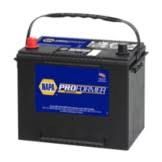
The NAPA PROFORMER Battery isn't just another battery—it's a power solution designed with your vehicle's needs in mind. Its flush cover design eliminates the common frustrations of installation, sliding perfectly into place without the vent cap or hold-down interference that plagues many competitor models. This thoughtful engineering extends to safety features as well, with a maintenance-free cover that prevents dangerous acid spills that can lead to corrosion and shortened battery life.
What truly sets the Proformer apart is its resilience. With robust starting capability and impressive reserve capacity, this battery delivers dependable power even when temperatures plummet. The calcium-calcium alloy construction ensures minimal water loss and reduced gassing, creating a truly maintenance-free experience that doesn't compromise on starting power.
Edit Image
The NAPA Proformer Battery Advantage
Built to Last
Inside every Proformer deep pocket envelope separators prevent internal shorts while maximizing energy storage. The forged terminal bushings and demineralized electrolyte work together to extend battery life, while the sturdy internal construction resists the constant vibration that can diminish performance over time.
Computer-controlled manufacturing processes ensure consistent quality in every unit, backed by NAPA's confidence in their product—evident in the impressive 18-month free replacement warranty.
Practical Performance
With 550 cold cranking amps and a 90-minute reserve capacity, the Proformer (BCI Group Size 35) delivers ample power for most applications. Convenient carrying handles make installation and transportation straightforward, while the top-post design (positive on the right, negative on the left) maintains compatibility with most vehicle systems.
At 12 volts and weighing 34 pounds, this American-made battery from East Penn or Clarios represents NAPA's commitment to providing reliable, affordable power solutions for today's drivers.
When it comes to powering your journey without compromise, the NAPA Proformer Battery offers the perfect balance of performance, reliability, and value that keeps you moving forward—mile after mile.
🚗 Detailed Guide To Fix Them Fast Sometimes your car doesn’t need a mechanic — it just needs a reset. Modern vehicles rely on sensors, modules, and electronic controls that can glitch, freeze, or misread data.
The DIY Sensor Diagnosis Handbook Today’s car engines rely on intricate electronic systems. If you’re a backyard DIY mechanic, all those sensors can look confusing at first. Still, these parts are not as mysterious as they seem. Your car depends on these sensors to act like its eyes and ears. They send real-time data to the Engine Control Unit (ECU) about everything happening inside the block. When one component stops working, your car will fight you. It might idle roughly, guzzle fuel, or refuse to start. To help you take control of your repairs, this guide covers 15 Car Engine Sensors: Symptoms, Functions, and Multimeter Testing Tips so you can diagnose the problem like a pro.
Filling Up Your Car Can Be Confusing. Sometimes people accidentally use the wrong fuel, and this can lead to serious problems. If you put the wrong fuel in your engine, it might get damaged or even stop working. Always check what kind of fuel your car needs before filling up. Refueling often feels simple, but it can be confusing. For instance, when using a different vehicle, you might have to call the owner to ask whether their vehicle runs on diesel or gas. Sometimes, the problem is unavoidable, such as when the fuel’s octane is lower than what’s listed on the gas station pump. This guide will tell you what to do if you put the wrong fuel in your vehicle. What to Do If You Put E85 in a Gasoline Car E85 contains more ethanol than regular gasoline. Only flex-fuel vehicles, which are specially made to handle high-ethanol fuels, can safely use E85. If you realize the mistake while filling up, add regular gasoline right away to help dilute the E85. The check engine light might turn on, bu...

 Edit Image
 Edit Image


Comments
Post a Comment