
The Moment Everything Changes: Distracted Driving Impact
Distracted driving is a big problem on the roads. It puts drivers, passengers, and pedestrians at risk. The National Highway Traffic Safety Administration (NHTSA) reports that in 2019, 3,142 people lost their lives because of it.
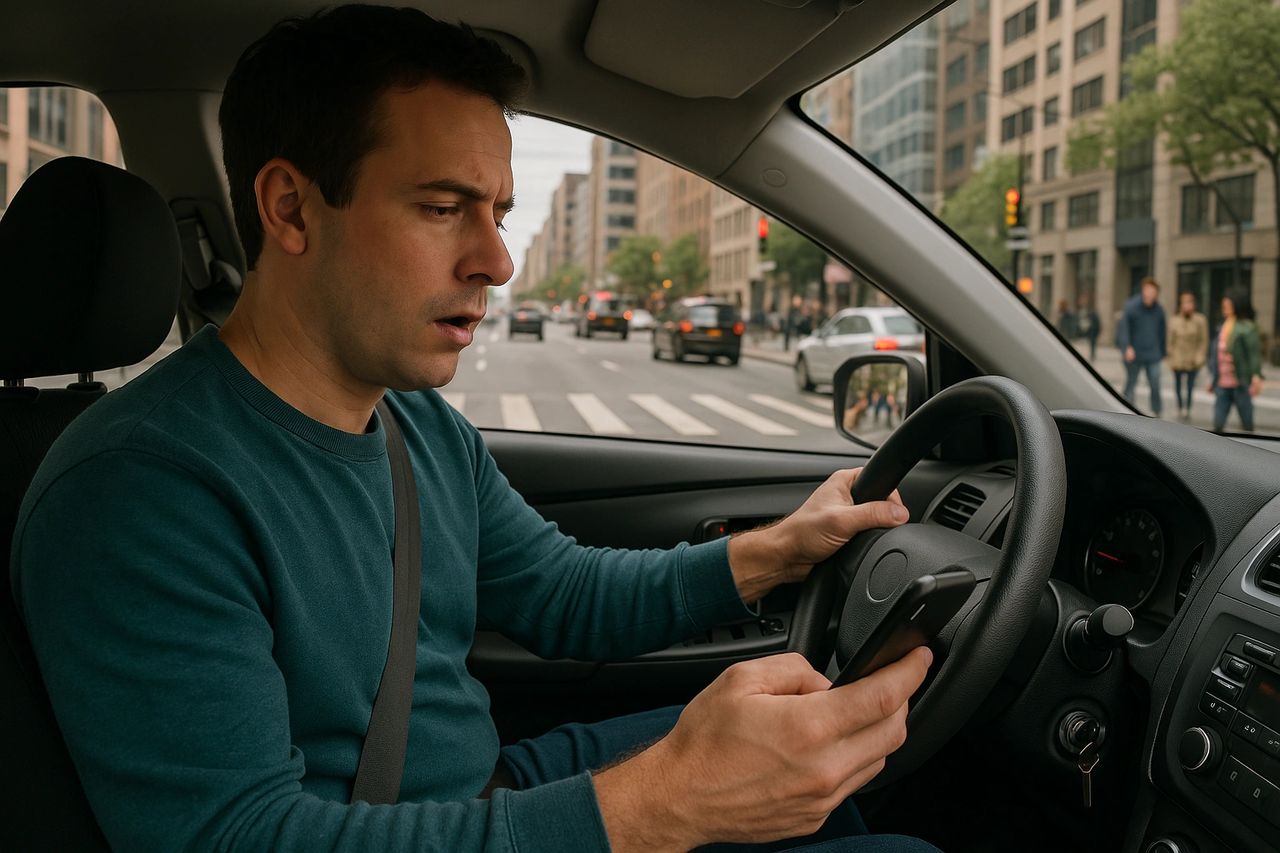
The harm caused by distracted driving is huge. We need to be more aware and take steps to prevent it. As we deal with the challenges of today, we must understand the dangers of distracted behavior while driving.
The roads of America are facing a silent epidemic. It's caused by distracted driving and its tragic effects. This issue is not just about numbers. It's about lives lost, families broken, and communities hurt by distracted driving.
Distracted driving means any activity that takes a driver's attention away from driving. This includes texting, talking on the phone, eating, or any other distraction. The Centers for Disease Control and Prevention (CDC) breaks down distractions into three types: visual, manual, and cognitive.
The CDC found that 25% of drivers in fatal crashes were young adults aged 20-29. This age group is often drawn to their phones and other distractions in the car. It shows we need to focus on helping them.
The Scale of the Problem in the United States
The problem of distracted driving in the U.S. is huge. The CDC says thousands die each year from it. The effects are wide, touching drivers, their families, other road users, and the community.
The economic costs, like medical bills and lost work time, make the problem even worse. We need to tackle this crisis with laws, education, and technology.
Understanding distracted driving is key to solving it. We must use a mix of laws, teaching, and tech to fight it. Distracted driving is a big problem on American roads every day. It affects many lives and needs urgent action and awareness. The numbers show it's a serious threat to road safety.
In 2021, distracted driving caused 3,522 deaths. Texting and driving is a big part of this, taking drivers' eyes off the road for five seconds. That's like driving a football field at 55 mph. The National Highway Traffic Safety Administration (NHTSA) is leading efforts to cut down on these crashes.
Injury and Property Damage Data
Distracted driving also causes many injuries and property damage. The NHTSA says it led to 362,000 injuries in 2021. The costs include medical bills, lost work time, and damage to property. As distracted driving research grows, we see the far-reaching effects of these crashes.
Some groups face higher risks from distracted driving, like young drivers. Drivers under 20 have the most distraction-related fatal crashes. Knowing these demographic trends and risk factors helps us target our efforts to reduce distracted driving.
"The biggest distraction is the phone, but it's not the only distraction. There are many things that can distract a driver, and we need to be aware of them all."
NHTSA Administrator: The numbers on distracted driving are scary, showing we need more education, stricter laws, and tech solutions. By understanding these statistics and trends, we can make our roads safer for everyone.
The Three Types of Driver Distractions
Driver distractions fall into three main categories: visual, manual, and cognitive. Knowing these types is vital for distracted driving awareness and prevention.
Visual Distractions: Taking Your Eyes Off the Road
Visual distractions happen when drivers look away from the road. This can be to check something inside the car or outside, like an accident. Even a quick glance away can be risky. For example, at 55 mph, a car covers a football field in five seconds. If a driver isn't watching, they might miss hazards.
Manual Distractions: Taking Your Hands Off the Wheel
Manual distractions occur when drivers take their hands off the wheel. Doing things like eating or adjusting the radio can cause these distractions. Texting is a big risk because it takes hands and eyes off the road.
"The biggest risk is texting and driving. It's a manual, visual, and cognitive distraction all at once."
Cognitive Distractions: Taking Your Mind Off Driving
Cognitive distractions happen when a driver's mind is elsewhere. This can be due to stress, tiredness, or talking. Even with eyes on the road and hands on the wheel, these distractions can be dangerous. Daydreaming or worrying about personal issues can lead to accidents.
Understanding the three types of distractions is essential for distracted driving prevention. By knowing these risks, drivers can reduce distractions and stay safe.
The Smartphone Factor
Smartphones have made distracted driving worse. They offer many functions beyond calls, distracting drivers.Texting while driving is very dangerous. It distracts drivers visually, manually, and mentally. Drivers look away, take their hands off the wheel, and lose focus.Texting slows down drivers' reaction time. Studies show drivers who text are slower to react to dangers, raising accident risks.
Texting and driving risks are as bad as driving drunk. Both make it hard for drivers to stay safe on the road.
Using social media and apps while driving adds to the problem. Drivers get distracted by checking notifications or scrolling through feeds.
Many think they can multitask while driving. But research shows our brains can't handle complex tasks like driving and other activities at the same time. This leads to poor performance and higher risks.
To fight distracted driving, turning on "Do Not Disturb" mode on phones helps. Apps that prevent distracted driving also work well. They reduce the urge to use phones while driving, lowering accident chances.
Beyond the Phone: Other Common Distractions
Smartphones are a big distraction, but they're not the only one. Many things can take a driver's attention away, leading to serious problems. Knowing about these distractions is key to staying safe on the road.
Today's cars have cool tech and systems for fun and convenience. But, they can also distract drivers. Adjusting the radio or using the GPS can take your eyes and hands off the wheel. It's smart to learn how to use these features before you start driving or have someone help you.
Passengers, like kids, can easily distract drivers. Talking to them or taking care of their needs while driving is hard. Drivers should know how to handle these distractions. Pull over if you need to, or tell your passengers to stay quiet.
Eating or grooming while driving is a big no-no. These activities take your eyes, hands, or mind off the road. It's a simple rule to follow to stay safe: don't do these things while driving.
By knowing and dealing with these distractions, drivers can lower their crash risk. It's all about making driving a priority and keeping your eyes on the road.
The Legal Landscape of Distracted Driving Laws
The laws about distracted driving are complex and different in each state. As more accidents happen because of distracted driving, lawmakers are making new laws. They aim to stop this dangerous behavior.
The federal government is pushing states to make stricter laws against distracted driving. The National Highway Traffic Safety Administration (NHTSA) has given guidelines. These suggest banning texting and using hand-held devices while driving.
Even though these guidelines aren't laws, they help states know what to do.
Distracted driving laws change a lot from state to state. Some states ban texting, emailing, and social media use while driving. Other states have softer laws or no specific laws at all.
In primary enforcement states, police can stop drivers just for distracted driving. Secondary enforcement states need another reason to stop a driver. Most states with laws have primary enforcement for some distracted driving behaviors.
Fines for distracted driving vary a lot. They can be small or hundreds of dollars. Some states also take points off a driver's license. Repeat offenders face bigger fines and might lose their license.
Even with new laws, catching distracted drivers is hard. To solve this, technology like cameras can help. Also, public campaigns can teach drivers about the dangers and legal issues of distracted driving.
The Ripple Effect: Consequences Beyond the Crash
Distracted driving's impact goes far beyond the crash itself. It leaves a lasting effect on families, friends, and communities. The damage is not just immediate but also extends over time
The human cost of distracted driving is deep. The Castenson family's loss to a distracted driving accident shows the devastating personal trauma and loss it can cause.
Survivors and families of victims share their stories to warn about distracted driving dangers. For example, a survivor might talk about the life-altering injuries from a crash caused by texting and driving. Their stories are a powerful reminder of the risks.
The psychological effects of distracted driving accidents can last a long time. Victims and their families may deal with anxiety, depression, or PTSD. This highlights the need for support and counseling.
Financial Implications
Distracted driving accidents also have big financial costs. These include medical bills, lost wages, and property damage. This can put a financial strain on individuals and families.
"The financial burden of a distracted driving accident can be overwhelming, affecting not just the individual but their entire family." Expert in Traffic Safety
Legal Consequences and Liability
Distracted driving can also lead to legal problems. This includes fines, lawsuits, and even criminal charges in serious cases. Drivers found liable may face increased insurance rates and legal fees, adding to the financial burden.
In conclusion, the effects of distracted driving are wide-reaching. They impact individuals, families, and society. Understanding these impacts is key to prevention and awareness efforts aimed at reducing distracted driving incidents.
Prevention Strategies and Technological Solutions
Distracted driving is a big problem on American roads. We need to find ways to stop it. This includes teaching people, using new technology, and changing laws to make roads safer.
Educational Campaigns and Awareness Initiatives
Teaching people about the dangers of distracted driving is key. Groups like the National Highway Traffic Safety Administration (NHTSA) and the Distracted Driving Coalition are working hard. They use ads, driver classes, and community events to spread the word.
Smartphone Apps and Vehicle Technologies
New tools are being made to fight distracted driving. Apps like LifeSaver and TrueMotion check if you're using your phone and give you rewards for not. Cars are also getting special systems to watch over drivers.
Driver Monitoring Systems
These systems use cameras and sensors to watch how drivers act. They spot distractions or tiredness. They can warn drivers or even stop an accident from happening.
Do Not Disturb Features
Smartphones now have "Do Not Disturb" modes for driving. They turn off notifications and block calls and texts. Car makers are adding similar features to their systems too.
Corporate and Fleet Management Approaches
Companies with lots of vehicles are fighting distracted driving too. They make rules against texting while driving and use software to watch driver habits. They also give rewards for safe driving. This helps keep everyone safe on the road.
"The most effective way to reduce distracted driving is through a combination of education, technology, and policy changes."
Conclusion: Creating a Safer Driving Culture
Creating a safe driving culture needs everyone's help and awareness. The data shows how serious distracted driving is. We must keep working on awareness and prevention. Initiatives against distracted driving are helping make roads safer. By knowing the dangers and using good prevention methods, we can make our roads safer for all. Education, technology, and laws are key in fighting distracted driving. It's important for everyone to support these efforts. Together, we can make driving safer.By working together, we can make our roads safer for everyone. The fight for safer driving is ongoing. We must keep focusing on awareness and prevention.


Comments
Post a Comment