
8 Things That Drain Your Car Battery Common Causes
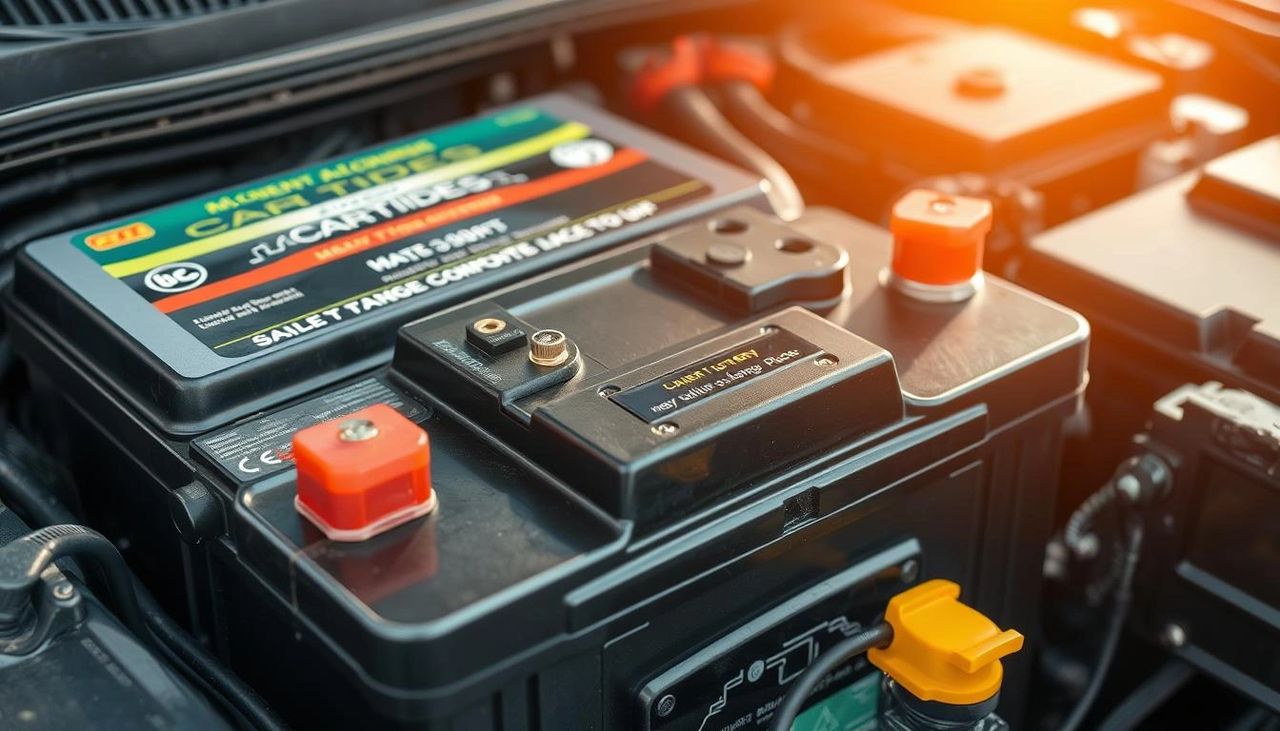
Knowing what causes battery drain is key to keeping your car running. Things like leaving lights on, parasitic draws, extreme weather, and faulty charging systems can harm your battery.
Key Takeaways
Common causes of car battery drain include leaving lights on and parasitic draws.
Extreme weather conditions can significantly impact battery performance.A faulty charging system can lead to battery failure.
Regular maintenance is key to extending battery life.
Understanding the signs of battery drain can help you address issues early.
Understanding Your Car's Battery System
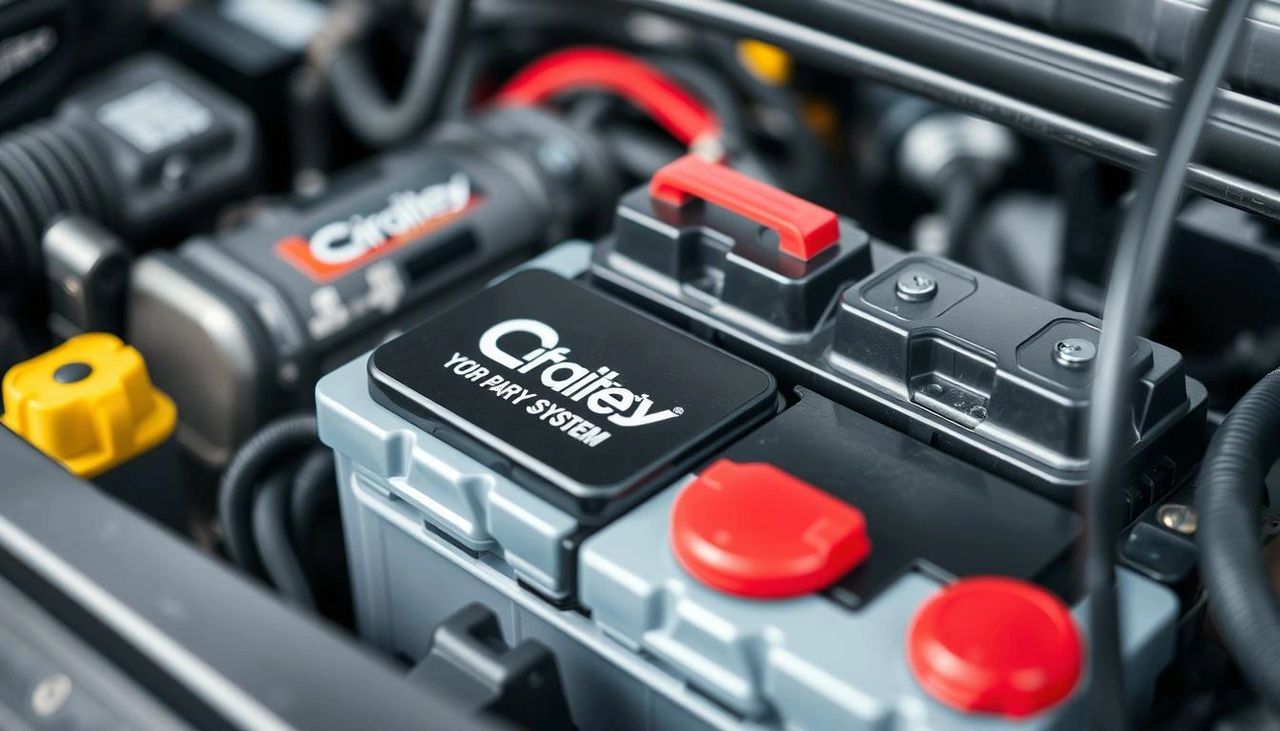
Your car's battery is more than a simple power source. It's a complex system that stores and delivers energy. At its core, a car battery is a rechargeable component that uses chemical reactions to store energy. Battery capacity shows how much electrical energy a battery can store
How Car Batteries Store and Deliver Power
Car batteries store energy through a process called electrochemical reaction. When your car's engine is running, the alternator recharges the battery. This reverses the chemical reaction, restoring the battery's energy.The battery then delivers power to your car's electrical systems. This includes the starter motor, lights, and accessories.
Battery Capacity Explained
Battery capacity shows how much electrical energy a battery can store and deliver. It's measured in ampere-hours (Ah). A higher capacity battery can power more devices or last longer.Understanding battery capacity is key to keeping your car's electrical system running well. It helps prevent battery drain.
What Drains Your Battery
1. Leaving Lights On: The Classic Battery Killer
Leaving your car's lights on is a common mistake. It can quickly drain your battery. This mistake can leave you stranded with a dead battery, wondering what happened.It's not just headlights that are the problem. Interior lights, parking lights, and other external lights can also drain your battery.
Interior Lights and Their Surprising Impact
Interior lights, like dome lights or courtesy lights, are convenient. But they can drain your battery if left on. Modern cars will turn these lights along with the headlights off after the cars computer times out.. But older cars might not have this feature.It's important to check your car's manual. This will help you understand how all your lights work.
2. Extreme Weather Conditions: Your Battery's Worst Enemy
Extreme weather can really hurt your car's battery. Cold and hot temperatures both play a role in how well your battery works and lasts.Why Batteries Struggle to Start your car in Winter

How Heat Accelerates Battery Deterioration
Hot weather is often more damaging to car batteries than cold, as high temperatures accelerate internal chemical reactions in several harmful ways. Heat speeds up the evaporation of the water in the battery's electrolyte mixture, reducing its ability to hold a charge, while also increasing the rate of internal corrosion and oxidization. Over time, prolonged heat exposure leads to sulfation — a buildup of lead sulfate crystals on the battery plates — which further hinders charging capacity. Heat also forces the alternator to work harder, raising the risk of overcharging and additional battery damage.
What makes summer heat particularly dangerous is that its effects often go unnoticed until the first cold snap, when the battery is suddenly demanded to deliver more power to start the engine. By that point, the damage is already done. To protect your battery, try to park in the shade, regularly check the terminals for corrosion, and have the battery tested if it is more than three years old.
3. Parasitic Drains: The Invisible Battery Thieves
Parasitic drain is a common but easy-to-overlook cause of battery failure. It occurs when electrical components continue drawing power from the battery even after the car is turned off, and can silently drain the battery to the point where the car won't start. Common culprits include alarm systems, GPS devices, phone chargers, and faulty wiring or electrical components. Identifying the source of the drain is the first step toward fixing it.
How to Detect and Measure Parasitic Drain
Detecting parasitic drain is straightforward with a multimeter. Set it to DC amps, connect it between the negative battery terminal and cable, and a reading above 0.05 amps indicates a significant drain. From there, removing fuses one at a time can help pinpoint the problem circuit. Once the source is identified, the fix may involve repairing or replacing faulty components, rewiring, or simply unplugging devices when the car is not in use. Routine checks can catch parasitic drain early, helping to extend the overall life of your battery.4. Short Trips and Infrequent Driving: Why Your Battery Never Fully Charges
Short trips and infrequent driving can quietly take a toll on your car's battery. When you only drive brief distances, the alternator doesn't have enough time to fully recharge the battery after startup, and repeated partial charge cycles gradually degrade its overall health. Long-term storage compounds this problem, as small but constant power draws from components like alarms and clocks continue draining the battery even when the car is off. Left unattended for long enough, the battery can discharge to a point where recovery becomes difficult.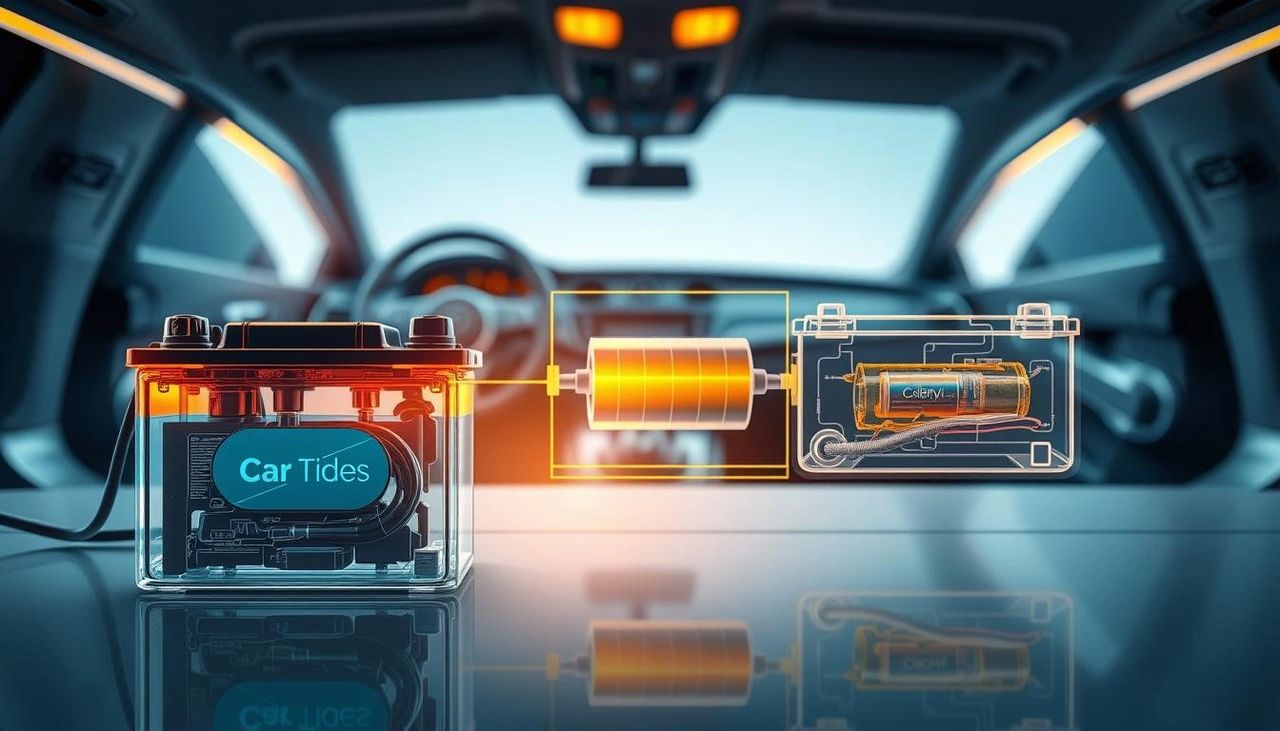
Long-Term Storage Effects on Battery Life
For drivers who don't get behind the wheel every day, a battery maintainer or trickle charger is a simple and effective solution. Unlike a standard charger, these devices deliver a slow, steady charge that keeps the battery at an optimal level without overcharging it. Whether your car sits in the garage for weeks at a time or just sees limited use, keeping one of these on hand can significantly extend your battery's lifespan and ensure it's ready when you need it.5. Faulty Charging Systems: When Your Battery Never Gets a Full Charge
A healthy charging system is essential to keeping your battery in good shape. If your battery seems chronically undercharged, the culprit is often a fault somewhere in this system rather than the battery itself.
Alternator Warning Signs
The alternator is the heart of the charging system. Common signs of alternator trouble include dim or flickering headlights, unexplained battery drain, or unusual noises coming from the engine bay. If you notice any of these, it's worth having the alternator inspected sooner rather than later.
Voltage Regulator Issues
The voltage regulator ensures the alternator delivers the correct voltage to the battery — not too much, not too little. When it malfunctions, you may notice erratic battery behavior, broader electrical system issues, or a burning smell coming from electrical components.
DIY Testing vs. Professional Diagnostics
A basic multimeter test is a good starting point for diagnosing charging system problems. Check the voltage at the battery terminals with the engine off and then again with it running — a healthy alternator should produce a noticeable increase in voltage when the engine is on. That said, DIY tests have their limits. A professional mechanic can evaluate the system under varying loads using specialized equipment, giving a much more complete picture of what's going wrong. For straightforward issues, a home test may be enough, but persistent or complex problems are best left to a pro.
6. Understanding Battery Lifespan and Replacement Timing
A car battery's lifespan varies depending on a number of factors, including the type of vehicle, how it's driven, and the demands placed on the electrical system. Vehicles loaded with advanced technology and features may go through batteries more quickly than simpler models, so it's worth knowing what to expect for your specific car.
Signs It's Time for a Replacement
Catching a failing battery early can save you from being stranded. Common warning signs include slow or sluggish engine starts, dimming headlights, and a battery warning light appearing on the dashboard. If you notice any of these, have your battery tested as soon as possible.
If your battery is showing signs of trouble, NAPA Auto Parts offers free battery testing in-store and can have your battery, starter, and alternator checked in four minutes or less. If a replacement turns out to be necessary, most batteries can be installed on-site in around 20 to 30 minutes, though some vehicles may require a visit to a professional shop. It's a quick and convenient way to get peace of mind before a small issue turns into a bigger problem.
Choosing the Right Replacement Battery
Not all car batteries are the same, and selecting the right type for your vehicle matters. Standard lead-acid batteries are the most affordable and suitable for most everyday cars. AGM (Absorbent Glass Mat) batteries offer a longer lifespan and handle the higher electrical demands of modern, tech-heavy vehicles better. Lithium-ion batteries last the longest but come at a premium price, and are most commonly found in hybrids and electric vehicles.
The best choice depends on your car's requirements and your driving habits. When in doubt, consult your owner's manual or speak with a trusted mechanic to make sure you're getting the right fit.
Here are Two sources for reliable batteries.
For Goodyear and other Brand names Available At Amazon
For a Free battery test & installation, go to: NAPA Auto Parts

7. Modern Vehicle Electronics and Their Impact on Battery Drain
Today's vehicles are packed with technology that enhances safety and convenience, but all of that sophistication comes at a cost to the battery. Many of these systems continue drawing power even when the car is parked, including alarms, GPS units, entertainment systems, and onboard computers that remain partially active to preserve settings or enable remote start features. Over time, especially if the car sits unused for extended periods, this steady background drain can significantly shorten battery life.
Aftermarket Accessories and Power Demands
Beyond factory-installed systems, many drivers add aftermarket accessories that place additional strain on the battery. High-powered audio systems are among the biggest offenders, as amplifiers and subwoofers can draw substantial current — particularly if the electrical system wasn't upgraded to handle the extra load. Other additions like performance lighting or auxiliary gadgets can compound the problem if not properly installed.
Balancing Convenience with Battery Health
Keeping on top of your battery's health in a tech-heavy vehicle comes down to a few good habits. Turning off accessories and lights when the car isn't in use goes a long way, as does ensuring any aftermarket equipment is correctly installed and matched to the vehicle's electrical capacity. If your car carries a heavy electronic load, upgrading to a higher-capacity battery or reinforcing the charging system may be worth considering. Routine battery checks can help catch any developing issues before they leave you stranded.
8. Corrosion and Poor Maintenance: The Silent Battery Killers
While most drivers are aware of obvious battery threats like leaving the lights on or enduring extreme temperatures, corrosion and general neglect are equally damaging and often go unnoticed until it's too late. Buildup on battery terminals restricts the flow of electricity, forces the charging system to work harder, and can ultimately lead to battery failure if left unaddressed.
Spotting and Cleaning Terminal Corrosion
It's worth making a habit of inspecting your battery terminals regularly. Corrosion typically appears as a white or greenish powdery residue around the terminal connections. If you spot it, cleaning it off promptly is straightforward. Start by disconnecting the negative cable first, then the positive. Using a wire brush, scrub away the buildup, then apply a mixture of baking soda and water to neutralize any remaining acid residue. Scrub gently, rinse with clean water, and allow everything to dry before reconnecting the cables in reverse order — positive first, then negative.
What You'll Need
The tools required are simple and inexpensive: a wire brush, baking soda, water, and a wrench to loosen the cable connections. Keeping these on hand and setting aside a few minutes for periodic battery maintenance can meaningfully extend its lifespan and help you avoid unexpected failures down the road.
Creating a Preventative Battery Maintenance Schedule
A simple, consistent maintenance routine is one of the best things you can do to protect your battery and avoid unexpected failures. Aim to inspect your battery terminals every three months, cleaning off any corrosion as soon as it appears. An annual battery test is also a good idea, particularly before the onset of winter, to catch any weakening before it becomes a real problem. Staying on top of these small tasks can add significant time to your battery's lifespan.
Safety First: Working Around Car Batteries
Before performing any battery maintenance, it's essential to understand the risks involved. Car batteries contain sulfuric acid, which is highly corrosive and capable of causing serious chemical burns to skin and eyes on contact. Even batteries that appear inactive can produce hydrogen gas, which is flammable and potentially explosive in enclosed spaces. Always treat battery maintenance with respect and take the following precautions seriously:
Always wear chemical-resistant gloves and safety glasses or goggles before handling a battery or its cables. Avoid leaning directly over the battery while working, and never allow metal tools to bridge the two terminals. Work in a well-ventilated area to prevent gas buildup, and keep open flames or sparks well away. If you come into contact with battery acid, flush the affected area immediately and thoroughly with clean water and seek medical attention if irritation persists.
Conclusion: Maximizing Your Car Battery's Lifespan
Keeping your battery in good shape is fundamental to the reliable operation of your vehicle. By understanding the common causes of battery drain — from corrosion and parasitic draw to extreme temperatures and infrequent driving — and taking proactive steps to address them, you can significantly extend its useful life. Check terminals regularly, ensure connections are tight, monitor your car's electrical systems, and be mindful of driving habits like frequent short trips. With routine care and a little attention, you can avoid the frustration of an unexpected failure and keep your car running reliably for years to come.
This article contains links to Amazon and other affiliate sites. As an affiliate, I may earn a commission from purchases made through them, which does not affect your cost.


Comments
Post a Comment