
Why DIY Auto Repair is Exploding
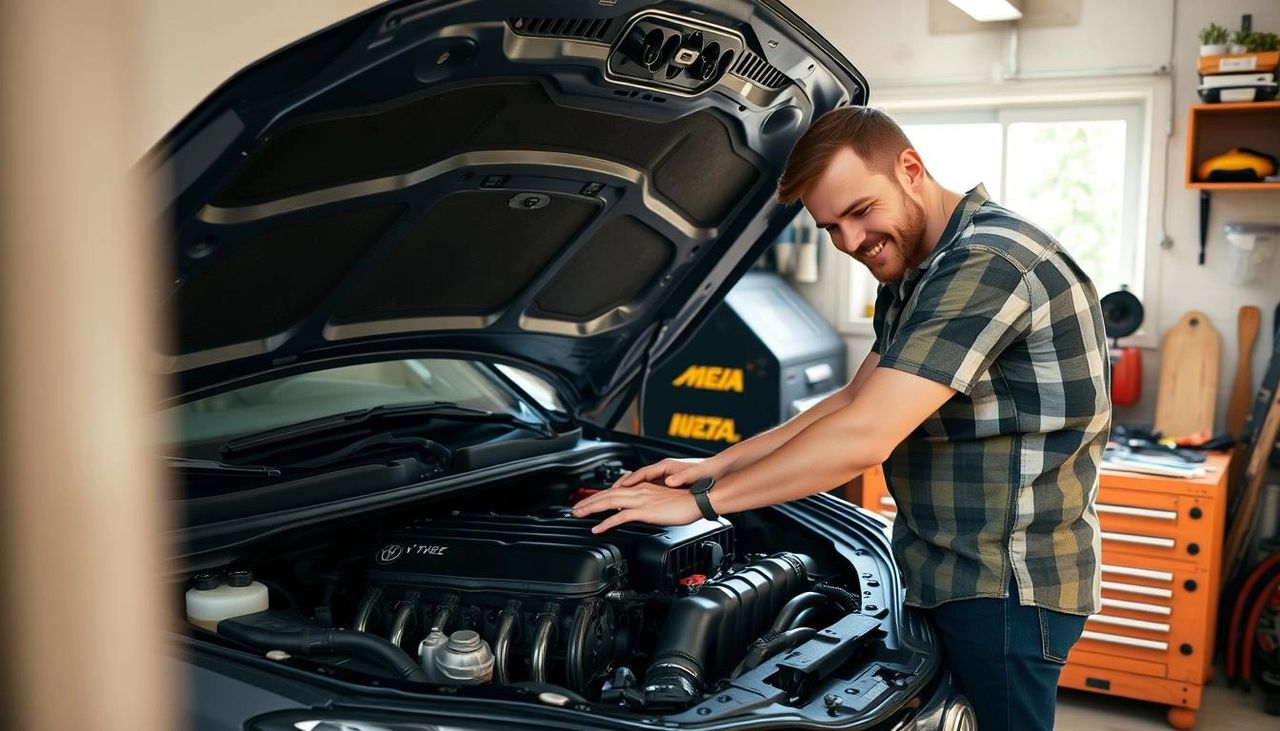
auto repair projects since 2020, with the average DIYer saving $800-1,200 annually on vehicle maintenance. This surge isn't just about saving money—it represents a fundamental shift in how people approach car ownership and maintenance.
From YouTube Tutorials that make complex repairs accessible to affordable diagnostic tools that were once exclusive to professional shops, the barriers to DIY auto repair have never been lower. This article explores the key factors driving this revolution and why more people are joining the movement every day.
Ready to Join the DIY Movement?
The Financial Drive: Significant Cost Savings

Unprecedented Access to Knowledge and Resources
Online Video Tutorials
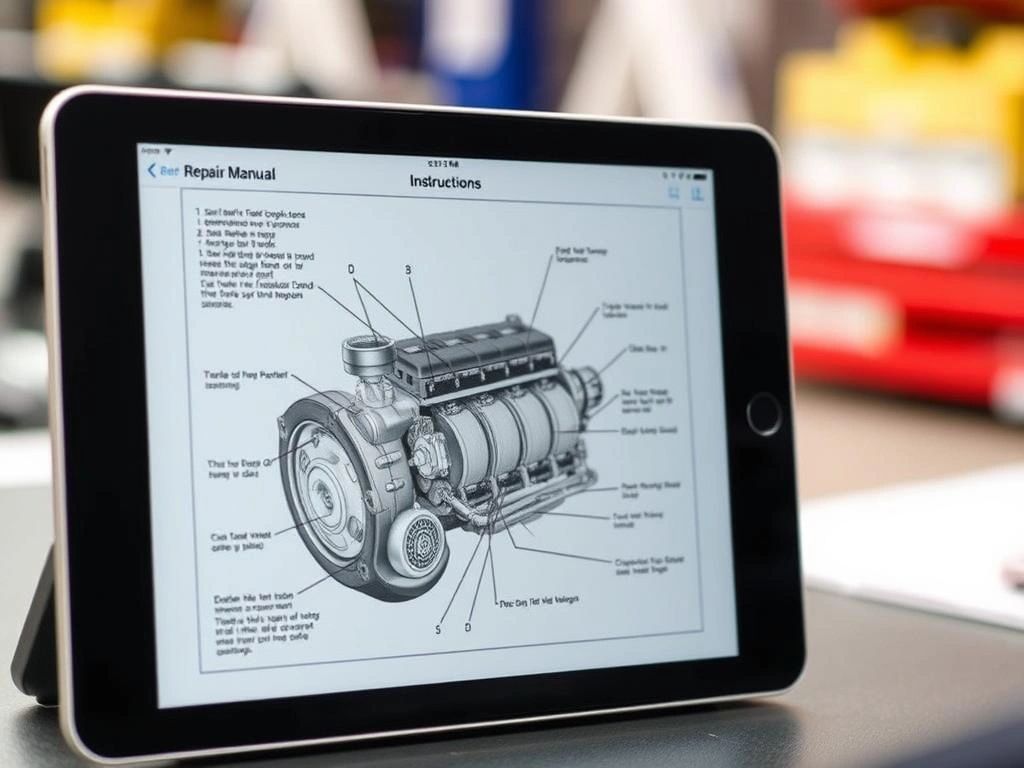
Digital Repair Manuals
Community Forums and Support
The Social Engine: Community and Media Influence
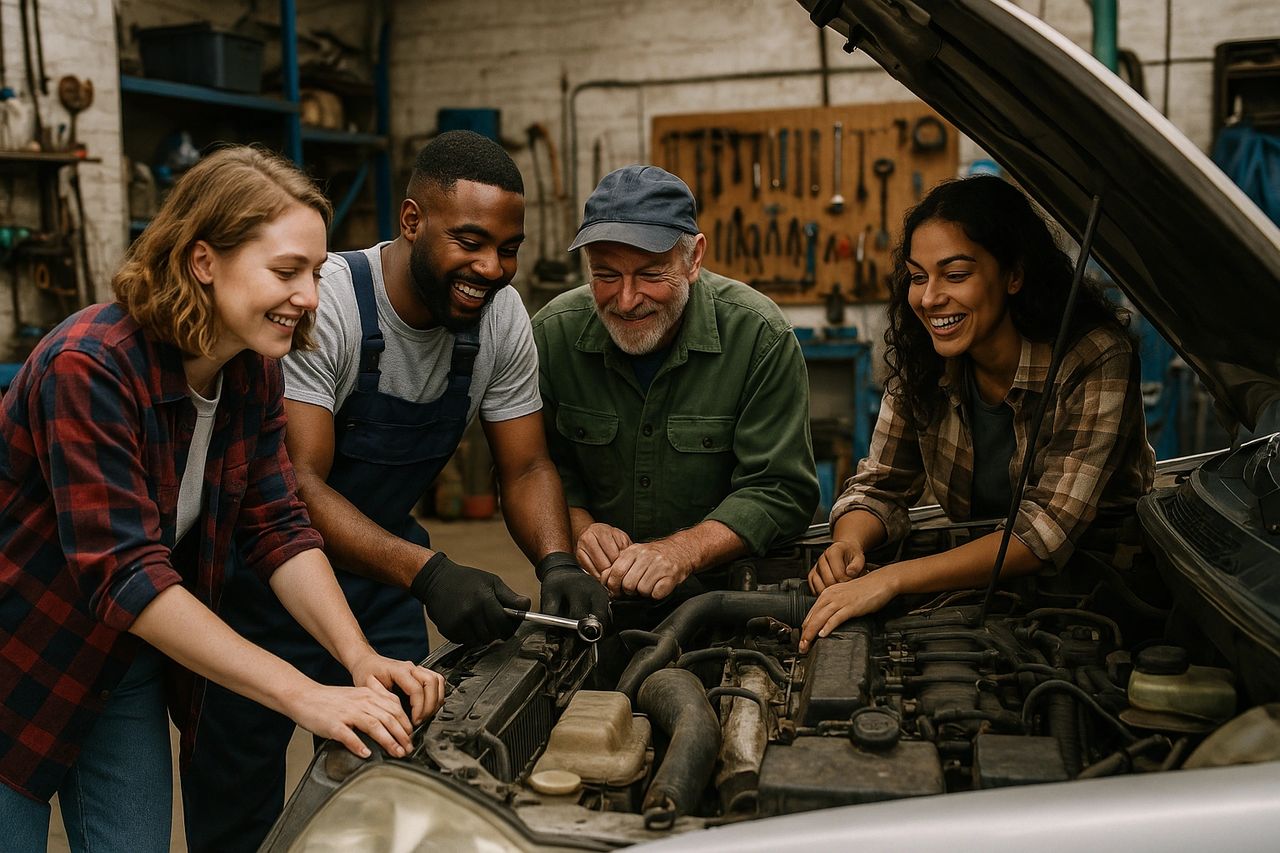
Social Media Challenges
Peer-to-Peer Knowledge Transfer
Online Tutorials And Blogs
Connect With Fellow DIY Enthusiasts In Your Community
Environmental Consciousness and Sustainability
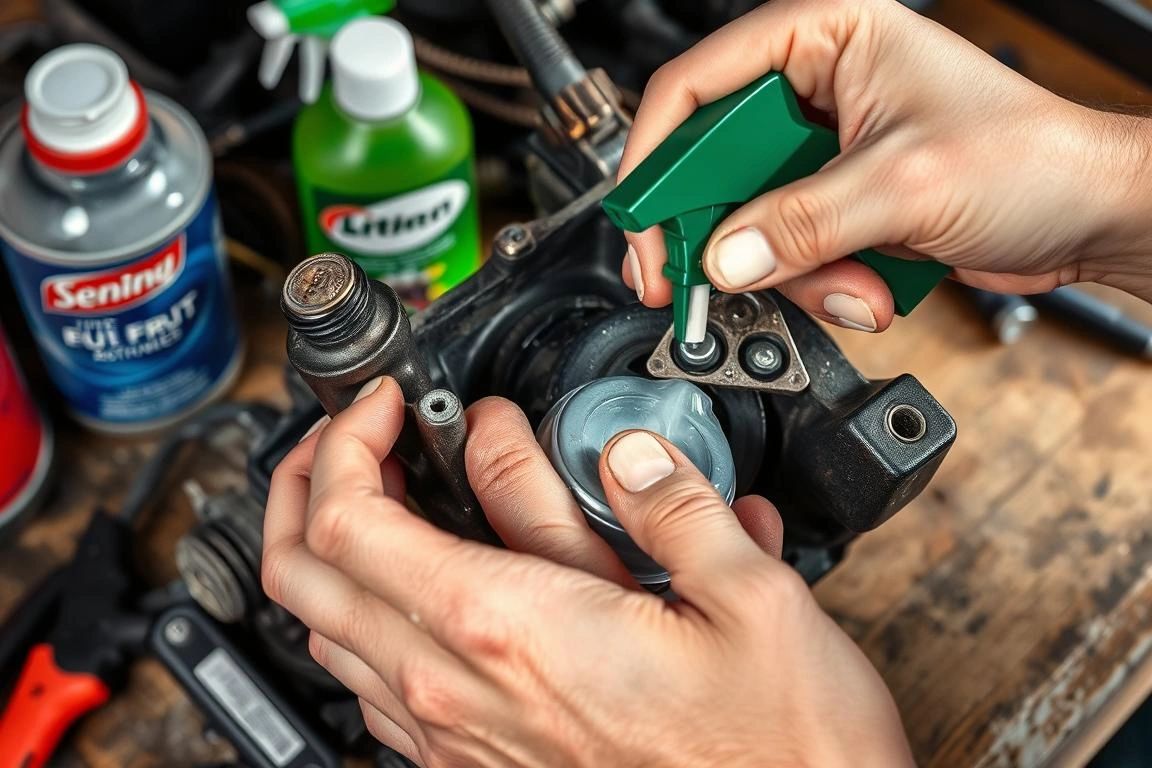
Parts Reuse and Recycling
Vehicle Lifespan Extension
Modern Tools and Technology: Democratizing Diagnostics
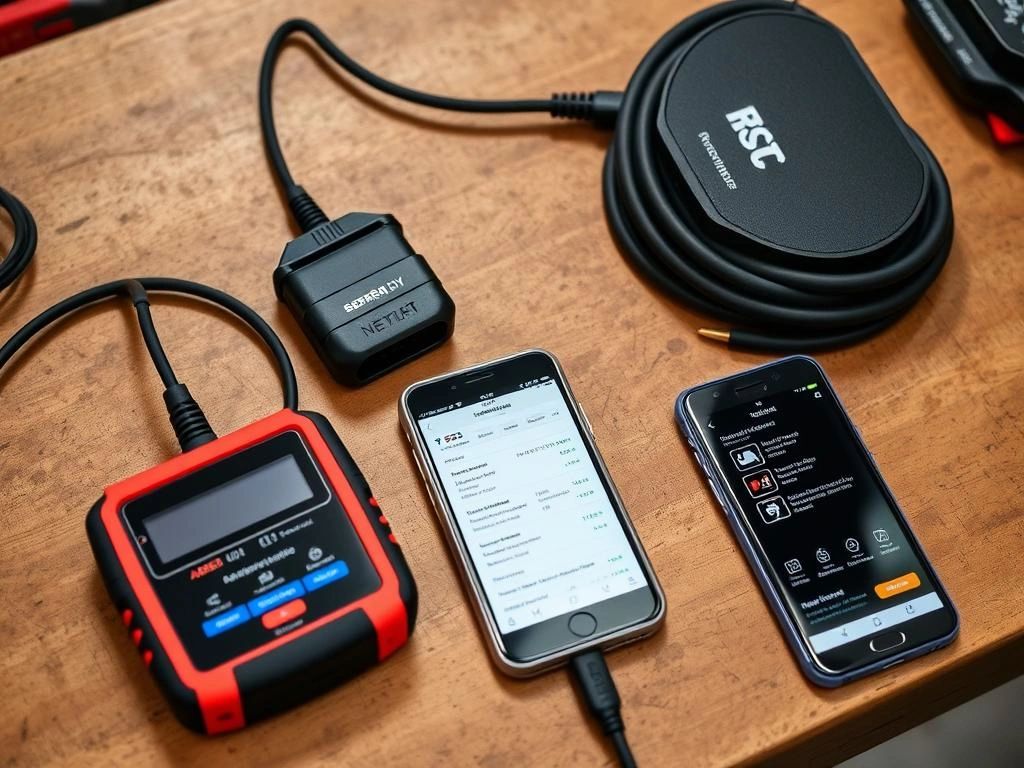
OBD-II Scanners
Affordable Specialty Tools
DIY-Friendly Vehicle Design
Get the Right Tools for the Job
Navigating Challenges and Minimizing Risks
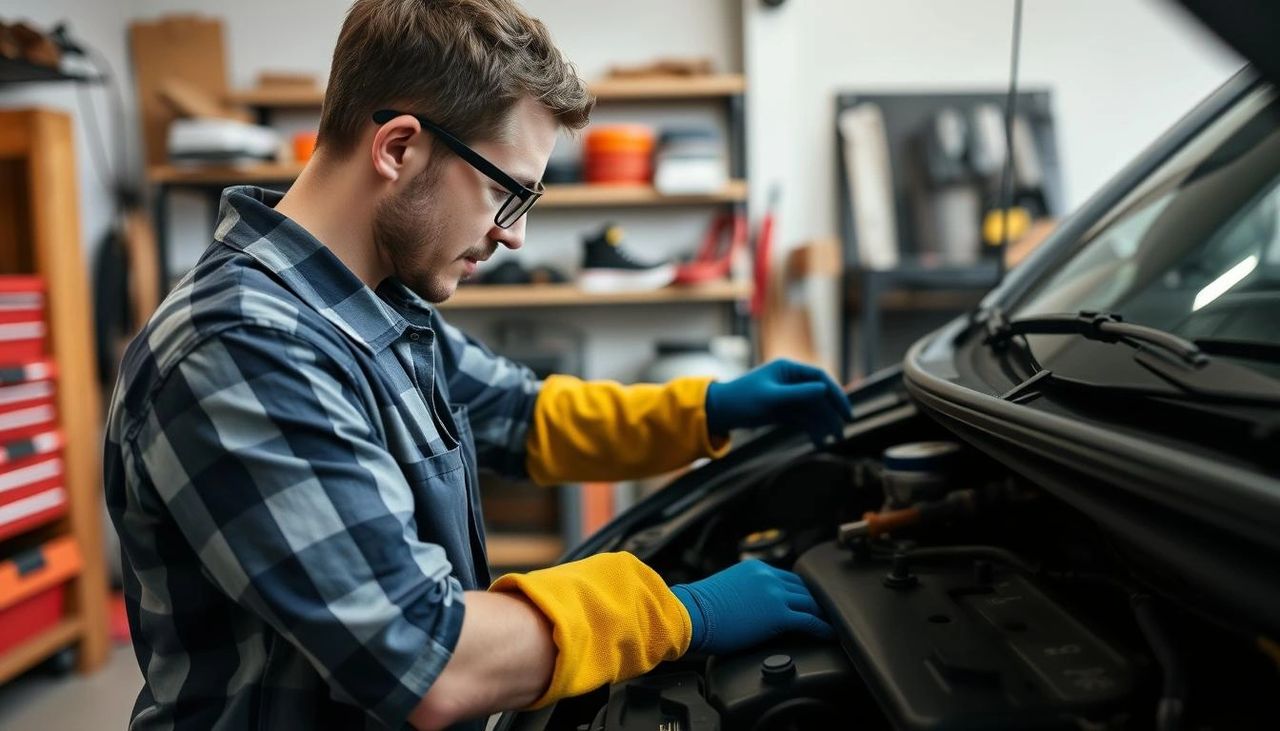
Common DIY Successes
- Oil and filter changes
- Brake pad replacements
- Battery replacements
- Spark plug changes
- Air filter replacements
- Headlight/taillight replacements
Repairs to Approach Cautiously
- Timing belt replacements
- Transmission work
- Advanced electrical diagnostics
- Air conditioning repairs
- Suspension alignments
- Airbag system components
Safety Considerations When Doing DIY Car Repairs
Safety remains the top priority for responsible DIYers, and cutting corners in this area can turn a money-saving project into a dangerous situation. Before picking up a wrench, every home mechanic should take time to understand the risks involved and set up a safe working environment.
Safety remains the top priority for responsible DIYers, and cutting corners in this area can turn a money-saving project into a dangerous situation. Before picking up a wrench, every home mechanic should take time to understand the risks involved and set up a safe working environment.
Essential Safety Equipment
Proper safety gear is non-negotiable. At a minimum, every DIYer should have:
- Jack stands and wheel chocks – Never rely on a floor jack alone to support a vehicle. Always use jack stands rated for your vehicle's weight, and place wheel chocks on the tires that remain on the ground to prevent rolling.
- Personal protective equipment (PPE) – Safety glasses protect your eyes from debris, fluids, and metal shavings. Nitrile gloves guard against harsh chemicals like brake fluid, coolant, and used motor oil, all of which can be harmful with prolonged skin contact.
- A fire extinguisher – Keep a small ABC-rated extinguisher nearby, especially when working near fuel lines or the battery.
- Proper lighting – Poor visibility leads to mistakes. A good work light or headlamp ensures you can clearly see what you're working on.
Proper safety gear is non-negotiable. At a minimum, every DIYer should have:
- Jack stands and wheel chocks – Never rely on a floor jack alone to support a vehicle. Always use jack stands rated for your vehicle's weight, and place wheel chocks on the tires that remain on the ground to prevent rolling.
- Personal protective equipment (PPE) – Safety glasses protect your eyes from debris, fluids, and metal shavings. Nitrile gloves guard against harsh chemicals like brake fluid, coolant, and used motor oil, all of which can be harmful with prolonged skin contact.
- A fire extinguisher – Keep a small ABC-rated extinguisher nearby, especially when working near fuel lines or the battery.
- Proper lighting – Poor visibility leads to mistakes. A good work light or headlamp ensures you can clearly see what you're working on.
Preparing Your Workspace
A safe repair starts before you even touch the car. Always work on a flat, level surface — never on a slope or soft ground where stands can shift. A concrete garage floor or driveway is ideal. Make sure the area is well-ventilated, particularly if you're running the engine or working with chemical solvents, as carbon monoxide and fumes can build up quickly in an enclosed space.
A safe repair starts before you even touch the car. Always work on a flat, level surface — never on a slope or soft ground where stands can shift. A concrete garage floor or driveway is ideal. Make sure the area is well-ventilated, particularly if you're running the engine or working with chemical solvents, as carbon monoxide and fumes can build up quickly in an enclosed space.
Electrical and Fluid Safety
Electrical and fluid systems carry unique hazards that deserve extra caution. Disconnect the negative battery terminal before working on any electrical components to prevent accidental shorts or shocks. When working near the fuel system, avoid open flames or sparks entirely, and always relieve fuel system pressure before opening any lines. Similarly, never open a coolant reservoir or radiator cap on a hot engine — pressurized coolant can spray at scalding temperatures. Allow the engine to cool completely before beginning work.
Electrical and fluid systems carry unique hazards that deserve extra caution. Disconnect the negative battery terminal before working on any electrical components to prevent accidental shorts or shocks. When working near the fuel system, avoid open flames or sparks entirely, and always relieve fuel system pressure before opening any lines. Similarly, never open a coolant reservoir or radiator cap on a hot engine — pressurized coolant can spray at scalding temperatures. Allow the engine to cool completely before beginning work.
Know Your Limits
Many beginners and experienced DIYers wisely adopt a "know your limits" approach — starting with straightforward jobs like oil changes, air filter replacements, and brake pad swaps, while leaving more complex repairs to professionals until they gain confidence and experience. This is sound advice for DIYers at any level. Some repairs, such as work on the ABS system, airbags, or high-voltage components in hybrid and electric vehicles, carry serious risks and are best left to certified technicians regardless of skill level.
⚠️ Important Safety Note: Never work under a vehicle supported only by a jack. Always use proper jack stands rated for your vehicle's weight. Disconnect the battery before working on electrical components, and fully release pressure from fuel and cooling systems before opening them
Stay Safe While Saving Money
Many beginners and experienced DIYers wisely adopt a "know your limits" approach — starting with straightforward jobs like oil changes, air filter replacements, and brake pad swaps, while leaving more complex repairs to professionals until they gain confidence and experience. This is sound advice for DIYers at any level. Some repairs, such as work on the ABS system, airbags, or high-voltage components in hybrid and electric vehicles, carry serious risks and are best left to certified technicians regardless of skill level.
⚠️ Important Safety Note: Never work under a vehicle supported only by a jack. Always use proper jack stands rated for your vehicle's weight. Disconnect the battery before working on electrical components, and fully release pressure from fuel and cooling systems before opening them
Stay Safe While Saving Money
The Road Ahead: Future of DIY Auto Repair
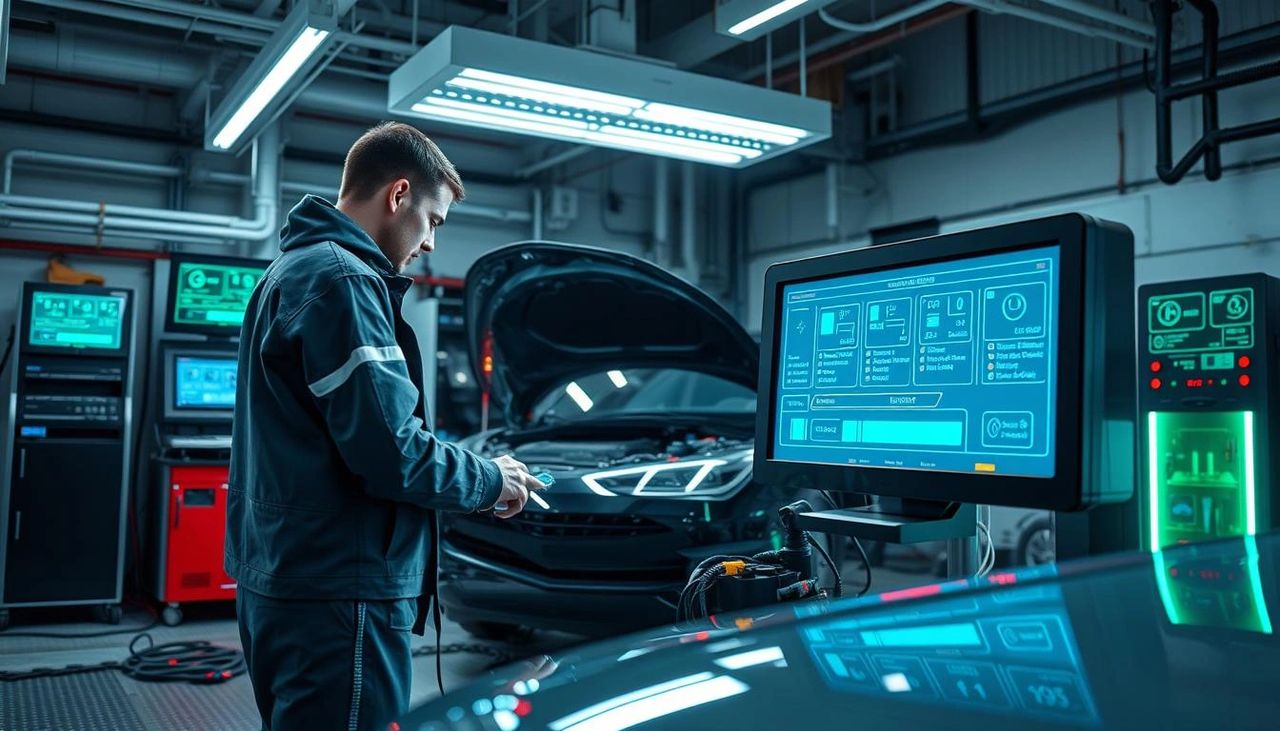
Electric Vehicle DIY
Augmented Reality Assistance
Conclusion: Empowerment Through DIY Auto Repair
The explosion in DIY auto repair represents more than just a way to save money — it's about reclaiming ownership of your vehicle and building genuine self-reliance. Whether driven by economic necessity or environmental consciousness, the result is the same: valuable skills gained and maintenance costs reduced.
With better resources, tools, and community support than ever before, there's never been a better time to start. The journey begins with a single repair and often leads to a lifetime of savings and satisfaction.
The explosion in DIY auto repair represents more than just a way to save money — it's about reclaiming ownership of your vehicle and building genuine self-reliance. Whether driven by economic necessity or environmental consciousness, the result is the same: valuable skills gained and maintenance costs reduced.
With better resources, tools, and community support than ever before, there's never been a better time to start. The journey begins with a single repair and often leads to a lifetime of savings and satisfaction.


Comments
Post a Comment