
10 Dangers Of Skipping Regular Oil Changes
Neglecting regular oil changes may seem harmless at first, but this simple oversight can trigger a chain reaction of problems that affect your vehicle’s performance, reliability, longevity, and even your safety. Here are ten critical consequences of skipping oil changes and why keeping up with routine maintenance is essential for protecting your engine.
Affiliate Disclosure: This post contains affiliate links. If you purchase through these links, Car Tides may earn a small commission at no additional cost to you.

In the midst of daily chaos its all too easy to forget just how important regular vehicle upkeep really is. And amongst the most often neglected services are regular oil changes. A lot of car owners tend to see them as a bit of an annoyance or just plain wasteful - which is pretty sad, really, because they'd be surprised at just how critical fresh, clean oil is in keeping an engine ticking over smoothly and keeping those nasty wear and tear problems at bay.
Engine oil is often referred to as the lifeblood of your vehicle - and honestly its no wonder you hear that term thrown around so much. It is the oil that keeps everything running smoothly after all - lubricating, cooling and cleaning the delicate bits inside the engine, all while protecting against damage from excessive wear and tear. But just like any old fluid, engine oil has a shelf life, and as it starts to break down, it cant do the job it was designed to do properly. And before long, that can leave your engine wide open to some pretty costly repairs if you don't replace it regularly.
Here's what happens when you don't change your engine oil!
1. Increased Friction And Wear:
As your engine operates, oil is crucial to lubricating the moving parts. However, over time, the oil degrades and becomes less dense, diminishing its ability to reduce friction within the engine effectively. This leads to metal-on-metal contact between crucial
components such as pistons, bearings, and camshafts. The resulting increased friction causes these parts to wear down much faster than with proper lubrication, potentially leading to the components' scoring, pitting, and even complete failure.
2. Engine Overheating:
Fresh engine oil plays a vital role in heat management. It absorbs heat from the engine’s moving parts and carries it away to be cooled. As the oil degrades, it loses this heat-transfer capability. Consequently, the engine temperature rises, potentially leading to overheating. Chronic overheating can cause warped cylinder heads, blown head gaskets, and even cracked engine blocks—all expensive and complex repairs.
 Edi
EdiWhen engine oil becomes dirty and thick, it increases the effort required for the engine to perform its normal functions. This increased resistance means the engine must work harder to produce the same amount of power, consuming more fuel. You may notice a gradual decrease in your vehicle’s miles per gallon (MPG) as the oil degrades, leading to more frequent trips to the gas station and higher fuel costs.
4. Sludge Buildup:
5. Decreased Engine Performance:
6. Shortened Engine Lifespan:
7. Voided Warranty:

A poorly lubricated engine performs worse and produces more harmful emissions. As internal components wear down and the engine runs less efficiently, it may burn oil and fuel, leading to increased smoke from the exhaust. This can contribute to air pollution and may cause your vehicle to fail its emissions tests, potentially leading to fines or the inability to drive it legally in certain areas.
Severe oil degradation can lead to sudden and catastrophic engine failure. This might occur when you least expect it, such as during a long road trip or in heavy traffic. Such breakdowns can be dangerous, inconvenient, and expensive, potentially leaving you stranded and facing significant towing and repair costs. Regular oil changes help prevent these unexpected failures by ensuring your engine has the proper lubrication to function reliably.
Cumulative damage from neglected oil changes often leads to much higher repair costs than regular oil changes. What starts as a simple need for fresh oil can escalate into major repairs like replacing worn bearings, rebuilding the engine's top end, or even a complete replacement. These repairs can cost thousands of dollars, far exceeding routine maintenance costs over the vehicle's life.
Always follow your vehicle manufacturer's recommended oil change intervals and use the specified oil type.
Are you " searching for an oil change near me"? Here's your answer!
If you are not a DIY person, here's where you can have your oil changed in about 15 Minutes.
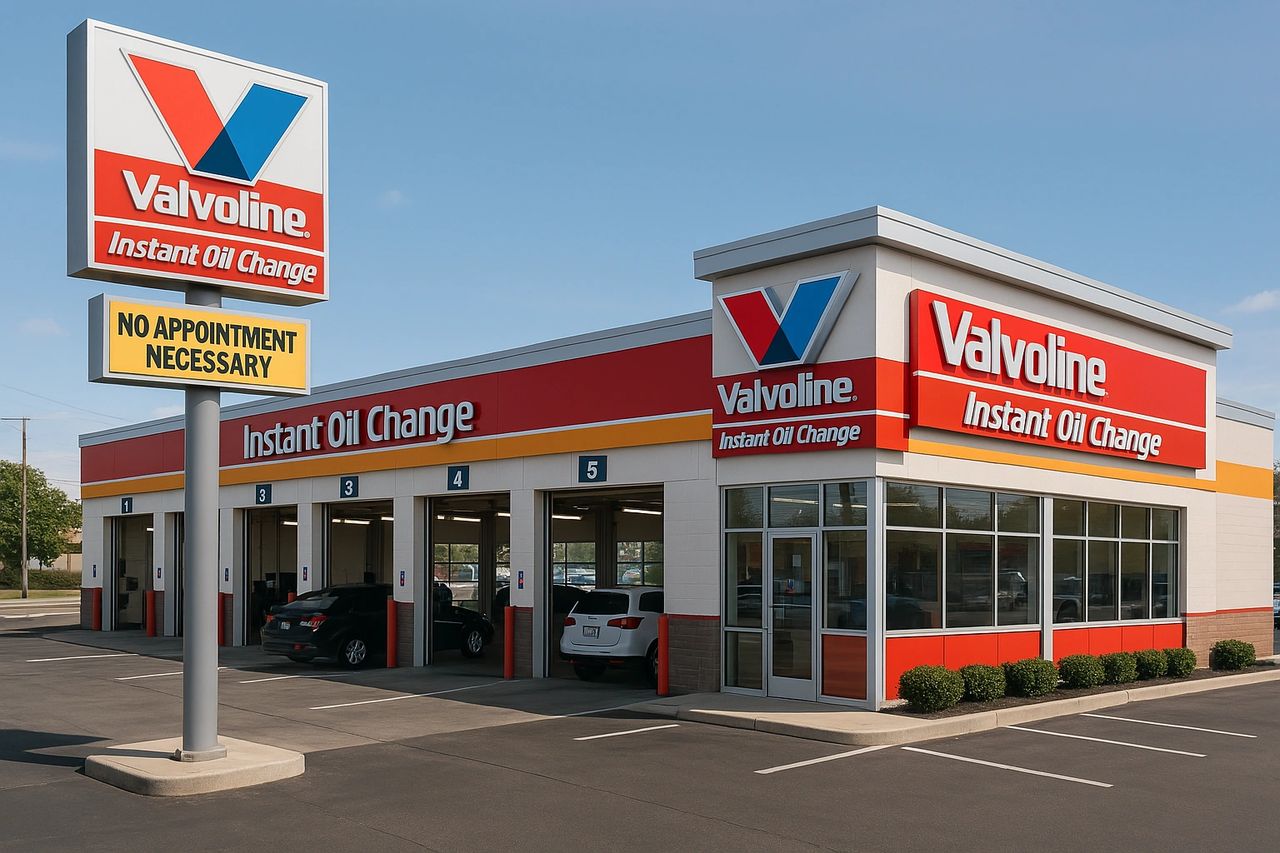
Have your oil changed in about 15 Minutes.
Valvoline Instant Oil Change
This article contains affiliate links. As an Affiliate, I earn a commission from purchases made through them, which does not affect your costs


Comments
Post a Comment